Stress as a Container


I’m trying out a new way of capturing my thoughts — recording my voice while also getting a transcript — and it immediately surfaced something I’ve been circling for a long time.
I experience stress like a container.
I don’t have neat, separate buckets for work stress, relationship stress, social stress, or world-level stress. It all pours into the same vessel — my body, my psyche. And when that container fills past a certain point, I don’t partially slow down. I stop. Everything drops.
It’s not that work alone exhausts me, or that one person pushes me over the edge. It’s the cumulative effect. Family, friends, work, social media, the state of the world — all of it adds liquid to the same glass.
When it overflows, I can’t selectively keep going. I shut down and recover until the level drops back below the brim.
That realization changes how I think about stress management. It’s not about eliminating one stressor at a time. It’s about changing the system.
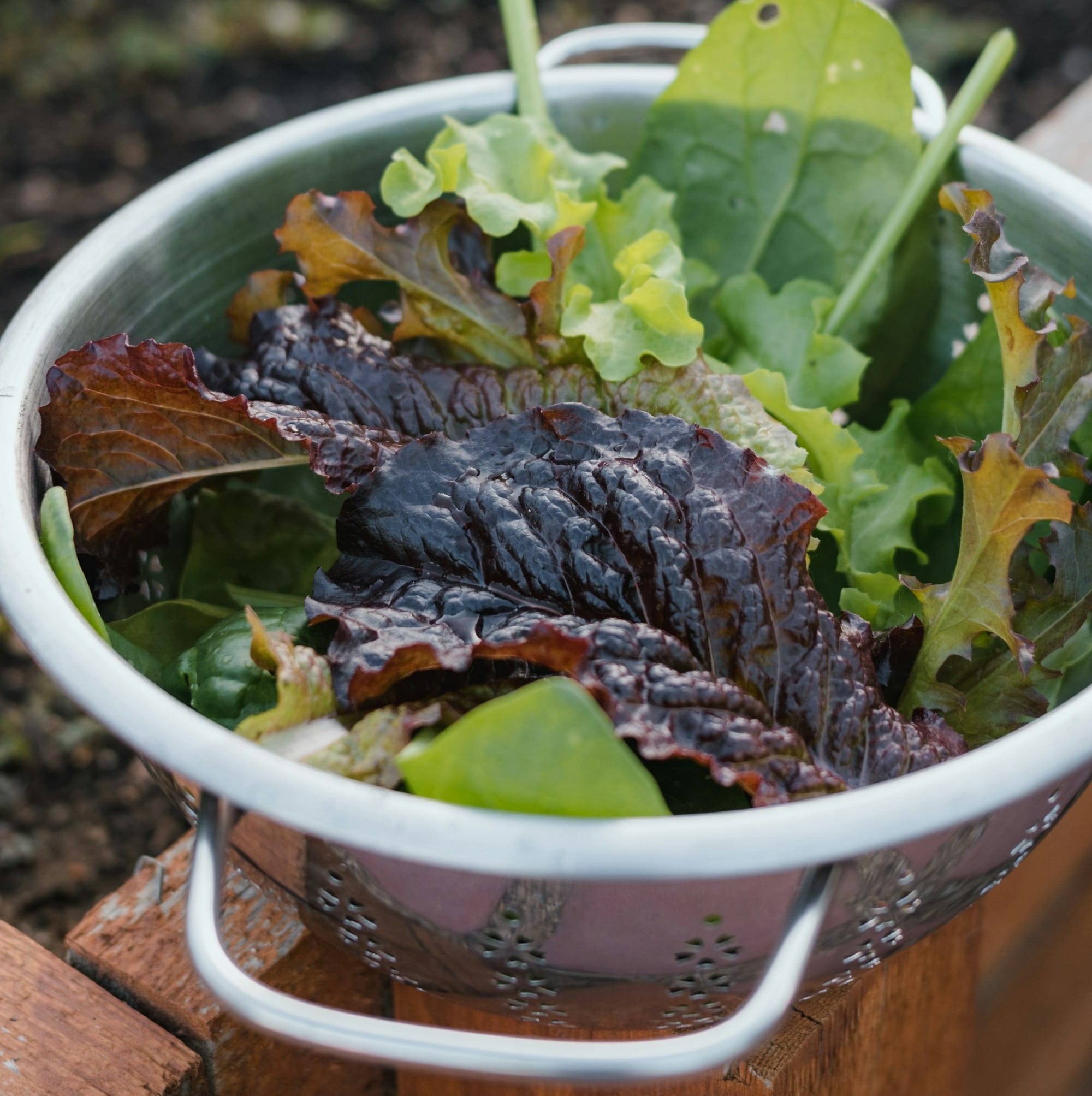
There are a few possible interventions:
- Poke holes in the container — ongoing release valves so stress doesn’t accumulate unchecked.
- Create multiple containers — people, systems, and processes that can hold some of the load instead of everything landing on me.
- Increase the size of the container — building resilience so I can tolerate more before hitting the edge.
- Reduce the inflow — fewer stressors entering the system in the first place, though this is the part I have the least control over.
Stress management isn’t just self-care. It’s a life skill.
One small example came from Carlos: changing the color of a light in the stairwell as a signal that I don’t want to be disturbed. That kind of boundary matters more than it seems. When I know interruption won’t happen, my nervous system relaxes. When it might, I stay partially braced.
I’m realizing how much mental bandwidth gets burned just staying alert.
There’s more to work out here. But acknowledging the existence of the container is a start.